
The DARC Fellowship
Sending the next generation of defense intellectuals into the field.
Warfare is evolving faster than at any point since 1914. The ideas that have shaped U.S. military strategy and guided billions in defense spending are being unwound in real time: $500 drones are killing multi-million-dollar tanks, Discord servers are doubling as command infrastructure, and Twitter anons are more indispensable than mainstream outlets. Ukraine has become the world’s most consequential laboratory for military innovation, and most in Washington’s defense policy establishment prefer to engage with it through a screen.
The result is a crop of public intellectuals who have consistently failed to anticipate the key developments in military strategy that have defined the war in Ukraine: the importance of decentralized command-and-control and open-source intelligence, the centrality of cheap, attritable drones, and the vast gulf between on-paper military power and real-world effectiveness.
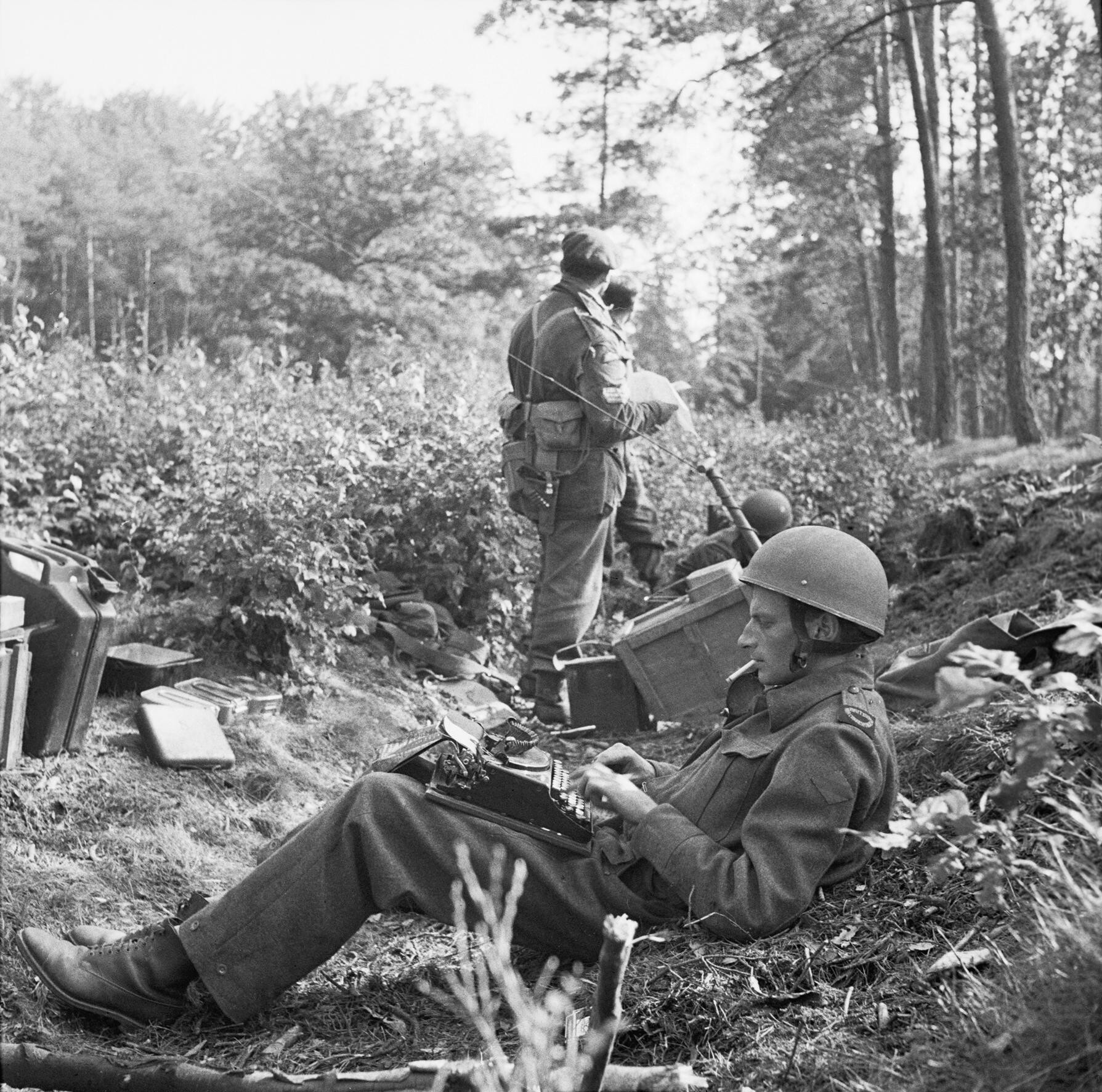
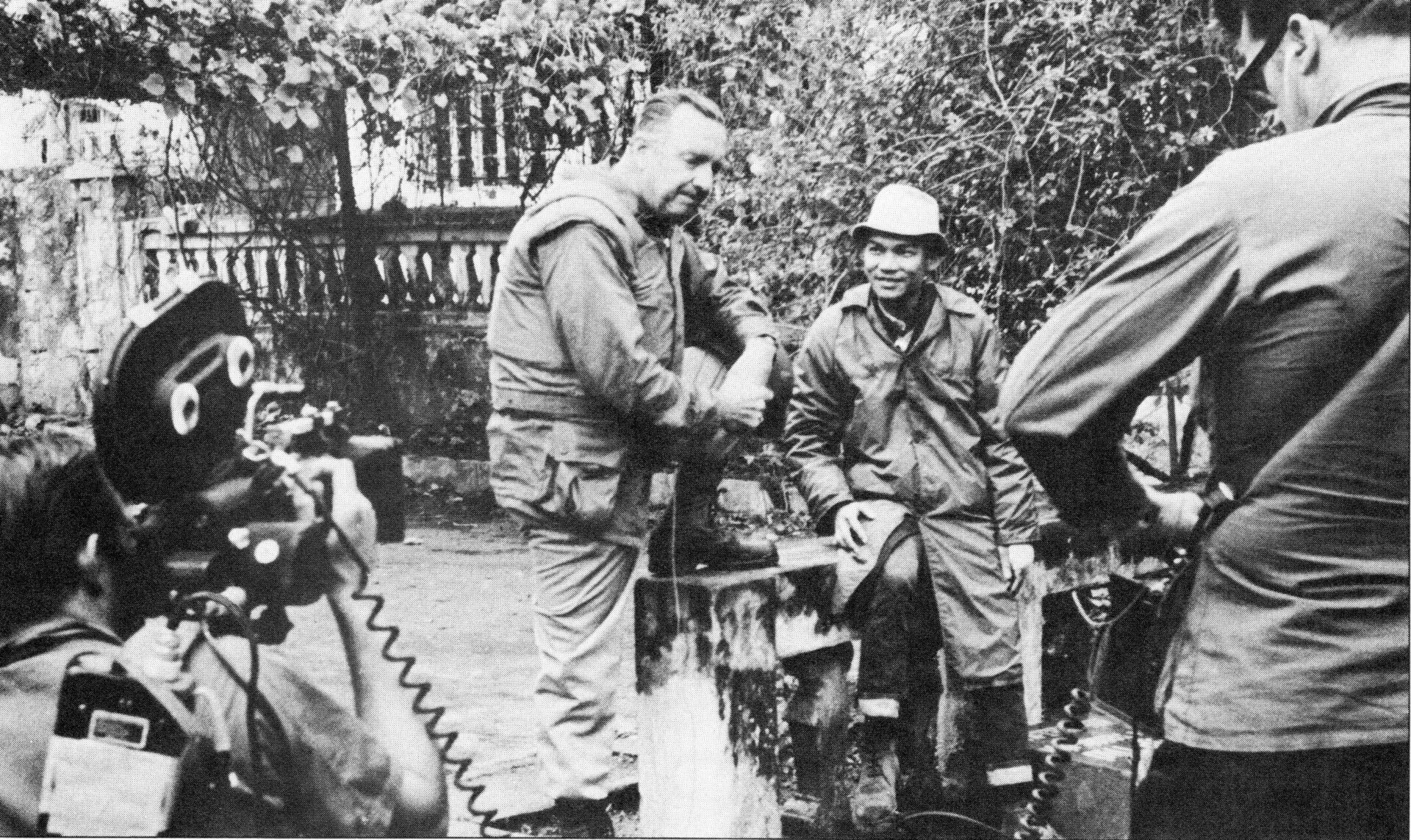
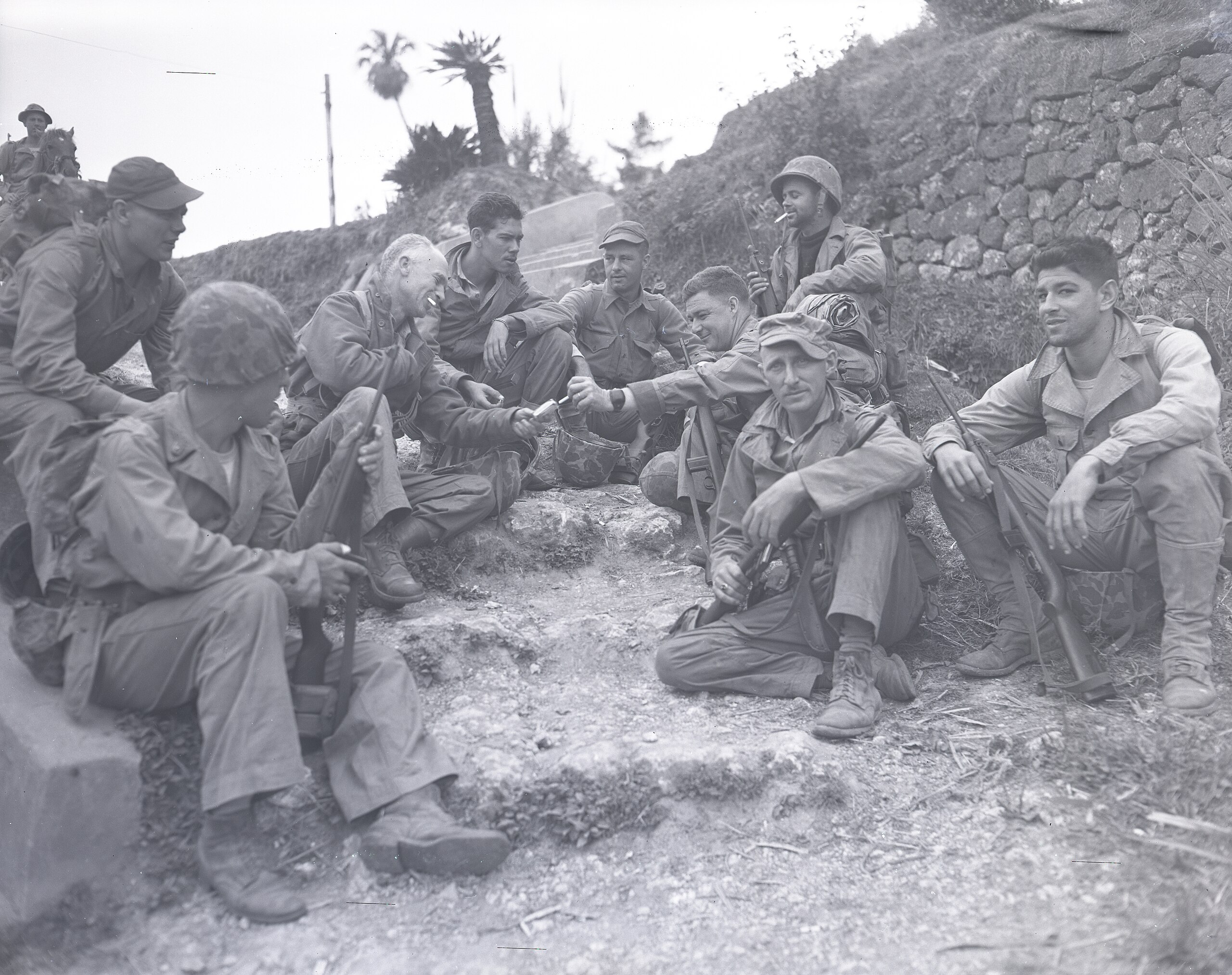
Without a majority or significant minority of operators with field experience, D.C.’s defense policy world will be permanently behind. Field work is not such a rarity in other fields—journalists, NGOs, and even screenwriters have gone to Ukraine in numbers that put ours to shame. But when most defense policy “experts” aspire to maintain a life of cushy desk work in D.C., intellectual or physical risk will always be a bridge too far.
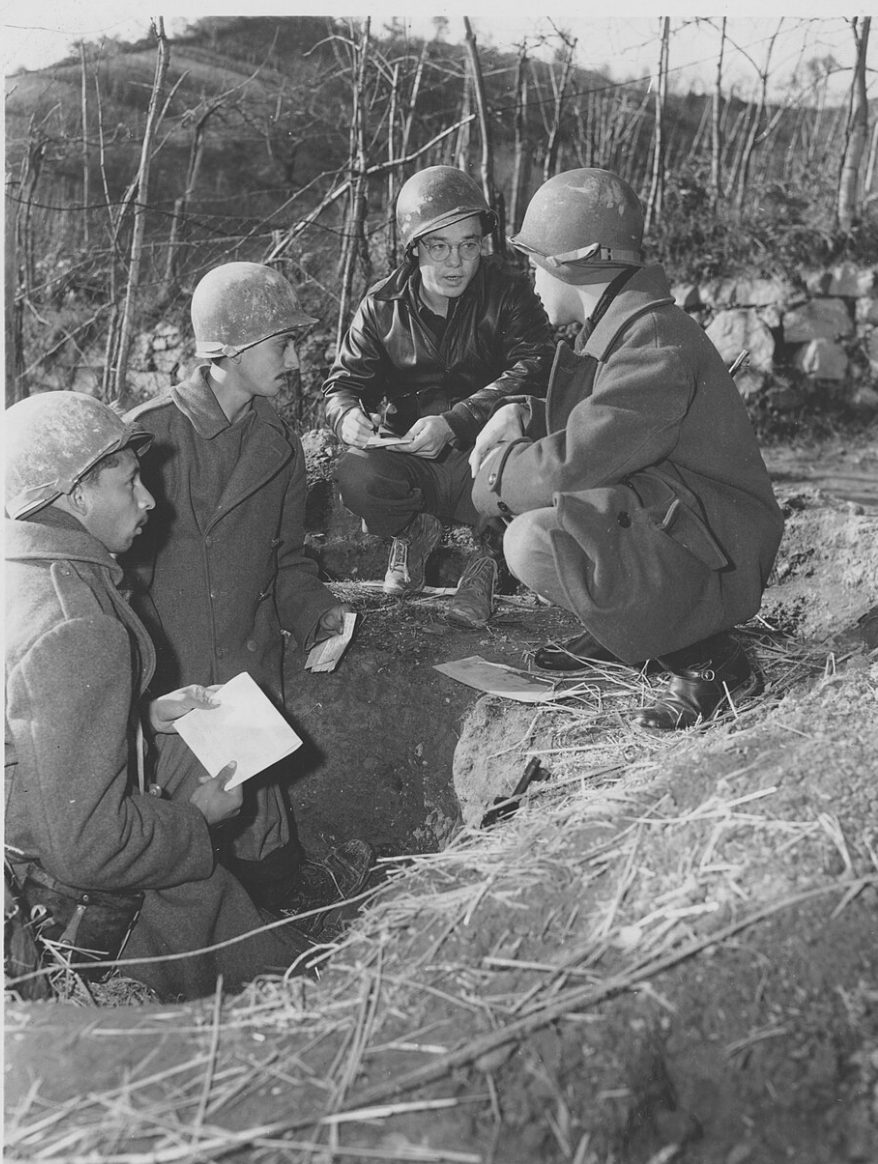
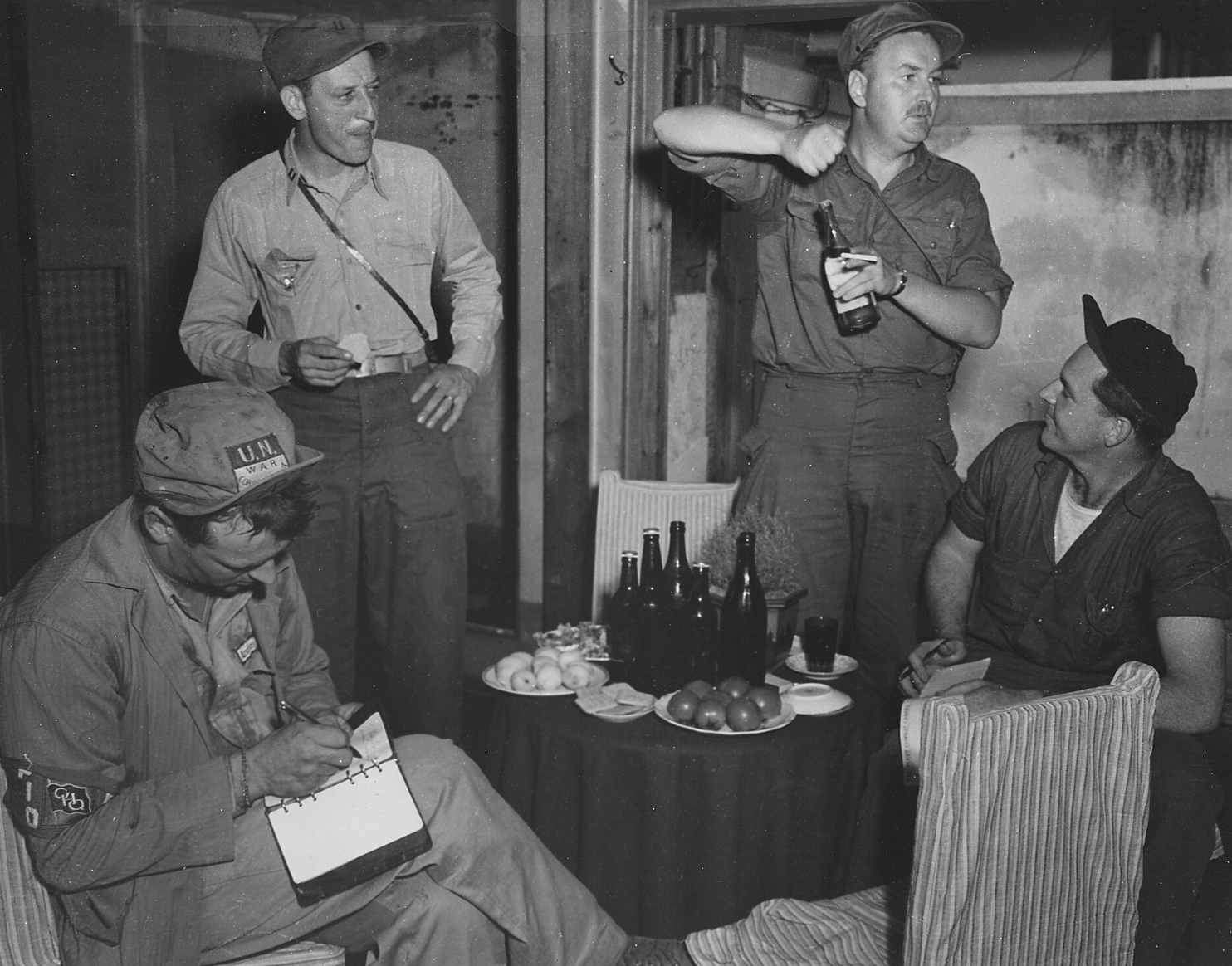
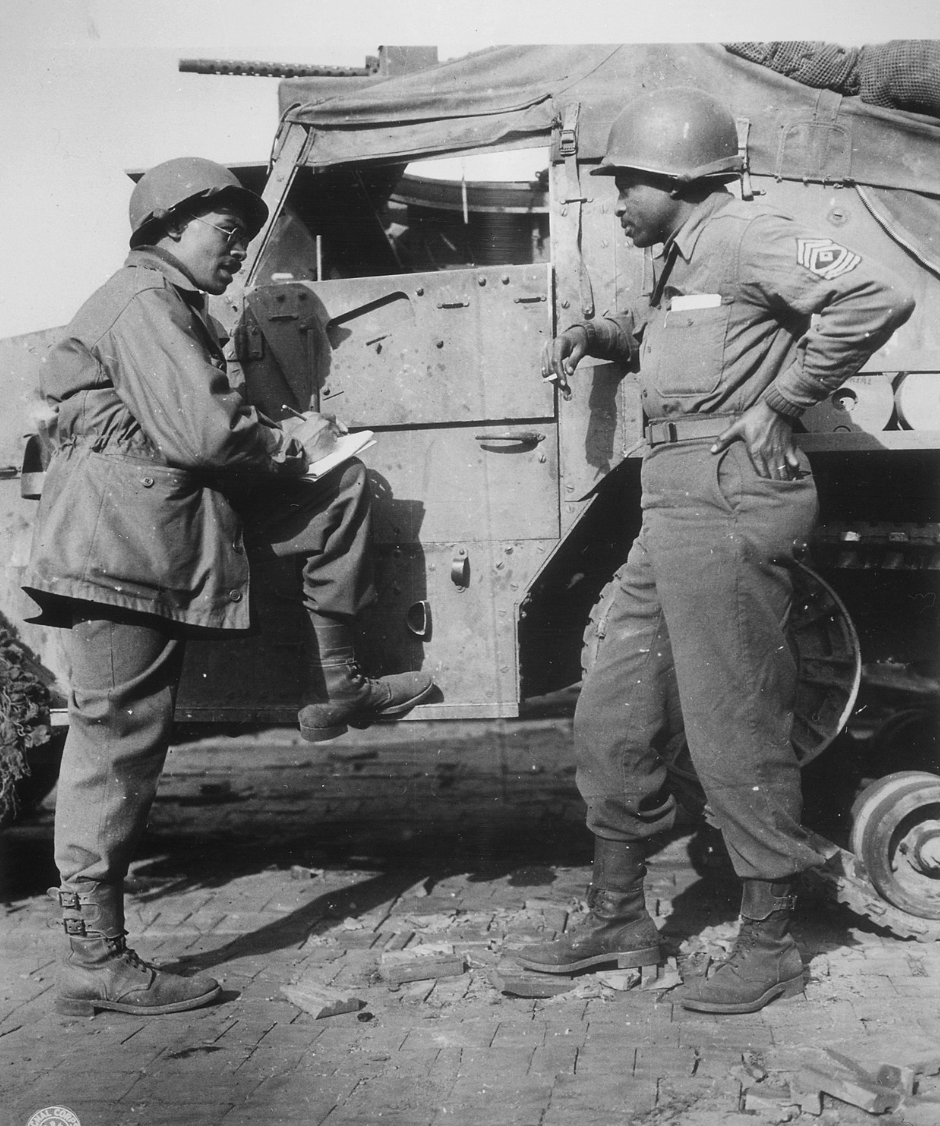
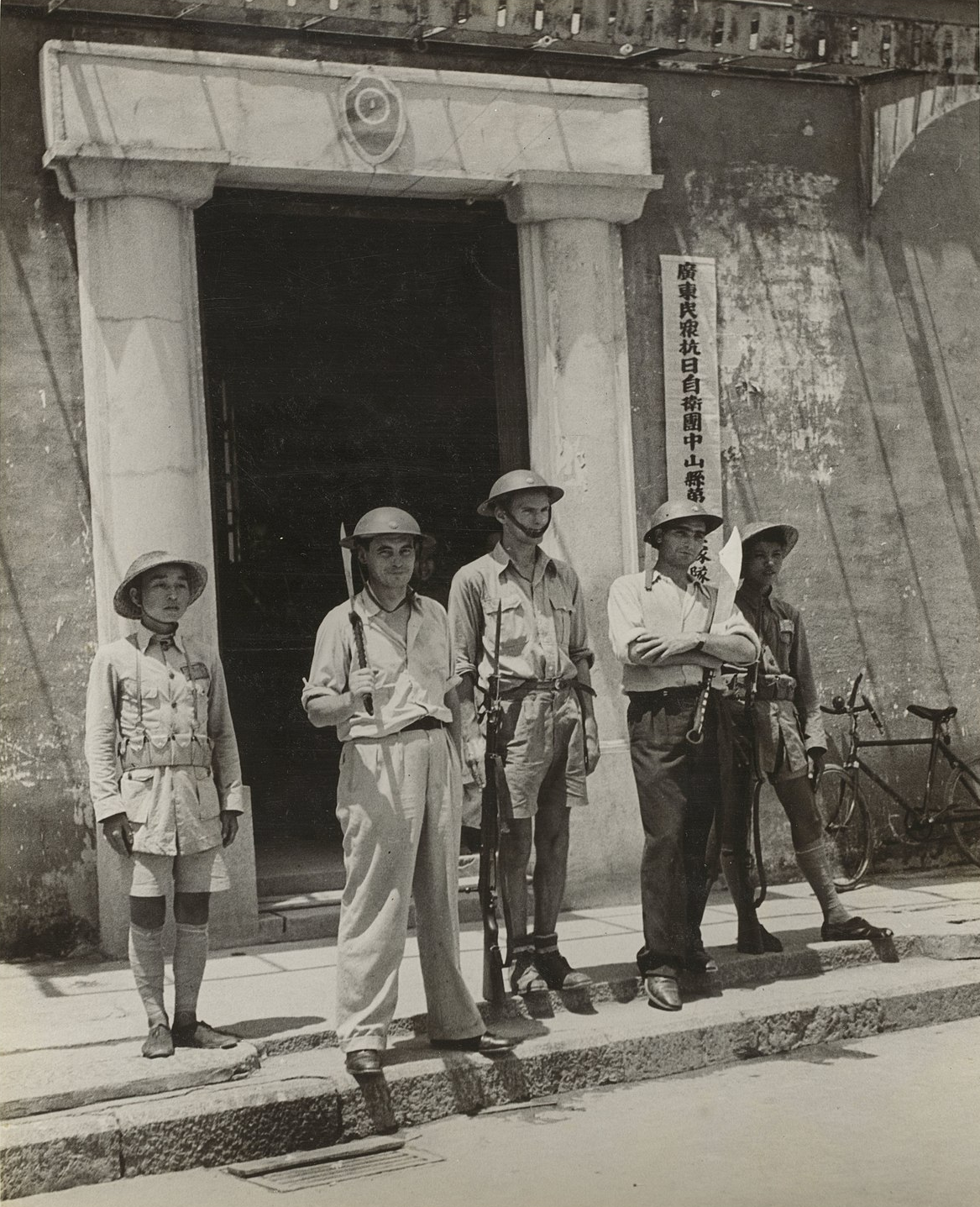
Our inaugural cohort of DARC Fellows will deploy directly to Ukraine for 4+ weeks of immersive, field-based research. They’ll return with something vanishingly rare in today’s policy world: firsthand knowledge of how modern war actually works.
We’re not looking for seasoned policy minds or established foreign policy hands. The traits that enable success in that world are the same traits that inhibit the field as a whole. We’re seeking Fellows that are resourceful, expeditionary, and willing to study war up close.
The Process
Application & Selection
Interested fellows should submit applications detailing their qualifications and research interests by February 28, 2026. DARC will conduct interviews with promising candidates and select at least two Fellows for the inaugural cohort.
Pre-Deployment
After selection, Fellows will work closely with DARC senior staff to prepare for their trip. In addition to refining their research questions, Fellows will prepare intensively for the operational environment to learn how to conduct a sufficiently safe and maximally successful research project in a conflict zone.
Deployment (4+ weeks)
In Ukraine, Fellows will embed wherever their project demands—military units, defense technology firms, or civil-military organizations across the country. Exact locations and access depend on the security environment and research focus, but Fellows should expect proximity to active operations. This will not be a guided tour.
Post-Deployment
Fellows will return to produce original research for DARC publication. This will include a major written deliverable, public events, closed presentations to stakeholders, and ongoing integration into DARC’s research network.
Research Questions
Fellows will pursue answers to some of the biggest open questions in defense. Priority areas include:
Drone Warfare and Counter-Drone Systems
How are anti-drone technologies reshaping armored warfare, trench defense, and infantry tactics? What does effective tank defense look like in a saturated drone environment? How has tunneling and concealment evolved in response?
The Software-Defined Battlefield
How are commodity platforms—Discord, Telegram, Signal, open-source X/Twitter intelligence—being used to generate battlefield advantage? What does command-and-control look like when it runs on commercial infrastructure?
Wartime Talent Mobilization
Where did Ukraine's drone operators, EW specialists, and defense tech workforce come from? What enabled rapid mobilization of technical talent, and what are the lessons for future conflicts?
Incentives and Gamification
Ukraine has experimented with monetary bonuses and gamified targeting systems to motivate soldiers. What does this look like on the ground? Does it measurably affect outcomes?
Digital Command-and-Control
How have Ukrainian-built C2 tools changed the way military force is employed? What role is AI playing in target identification, fires coordination, and operational planning?
The Autonomous Drone Horizon
Most FPV drones remain human-piloted because onboard AI is still too expensive. But with firms developing low-cost autonomy chips, how will cheap, autonomous drones change the battlefield?
Battlefield Transparency
Has the proliferation of sensors and ISR truly made the battlefield 'transparent,' or is this overstated? How are Ukrainian forces actually detecting, tracking, and targeting enemy troops, armor, and artillery at the front?
The Future of Armor
Are tanks still operationally relevant under modern drone, ATGM, and sensor threats? How are they actually being employed, and does armored warfare need to be fundamentally rethought?
Blank Check Analysis
What would a Ukrainian brigade commander do with an additional $10 billion? What capabilities are most desperately needed, and what does that reveal about the future of land warfare?
What We're Looking For
Recent graduates, early-career analysts, junior technologists, and other young professionals with demonstrated interest in defense and national security. No prior military experience required, but physical fitness and tolerance for austere conditions expected.
We're open to a range of backgrounds and experience levels, but a handful of skills and attributes will be particularly beneficial. Please note on your application if you have:
- Ukrainian (preferred) or Russian language skills
- Pre-existing connections in Ukraine
- Previous military or field work (journalism, NGO work, etc.) experience
Frequently Asked Questions
Is the fellowship paid?
Yes. The fellowship is supported by a grant intended to cover travel, equipment, insurance, and living expenses during the research period, as well as to compensate the fellow for their work.
Final grant amounts will vary depending on the scope and duration of the proposed project. Fellows will be expected to meet baseline safety and insurance requirements. DARC will separately retain the ability to fund additional safety and extraction services. Additional details will be provided to selected candidates.
Can I propose my own project?
Yes. Applicants may propose original research questions outside of the ones listed above. Final projects will be scoped in coordination with DARC staff to ensure feasibility and safety.
Do I need to be an American citizen to apply?
Citizenship is not required, but candidates must be authorized to work in the United States and travel to Ukraine and any intermediate destinations in the European Union/Schengen Zone.
How long is the fellowship?
The deployment is expected to be 4+ weeks in Ukraine, plus required pre-deployment preparation and post-deployment deliverables.
Do I need previous experience in Ukraine or conflict zones?
Neither is required, but prior field experience (journalism, military, academic field work, austere travel, etc.) is a plus. We want applicants with sufficient maturity, judgment, and physical readiness.
Will DARC arrange my travel, housing, and access?
Fellows will receive funding and planning support. The level of logistical assistance may vary by project and security conditions. Fellows should expect to take an active role in arranging travel and day-to-day operations in coordination with DARC.
Image credits: Imperial War Museums (UK Government work — Public Domain); U.S. National Archives (NARA) / U.S. federal government works — Public Domain (17 USC §105); U.S. Army Signal Corps photos (Public Domain); Rijksmuseum (CC0 / Public Domain).